


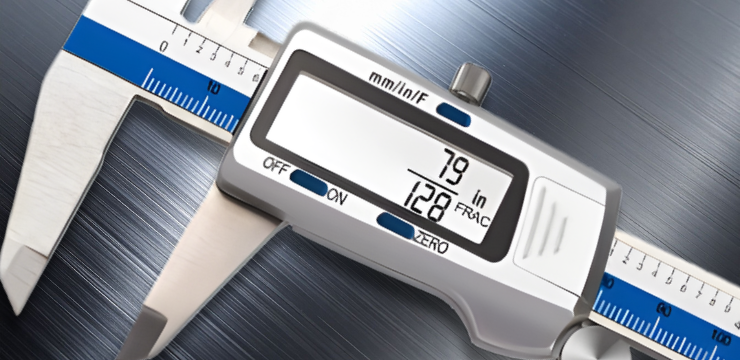
In the video above, Max walks through how Darts Planet TV will be using a digital caliper to give more detailed barrel measurements in future reviews – not just “length and max width”, but also finer details like narrowest points and groove spacing. This guide turns that quick demo into a simple, repeatable process you can copy at home if you’ve got (or are thinking of getting) a digital caliper.
The idea isn’t to turn you into an engineer – it’s to help you understand why certain darts feel the way they do in the hand, and to make it easier to compare different barrels beyond what the retailer spec sheet shows.
What you need
-
A digital caliper (even a cheap one is fine, like in the video)
-
The darts you want to measure
-
A clean, flat surface
-
Optional: soft cloth or mat, so you don’t scratch your darts or table
Get to know your digital caliper
Max uses a basic digital caliper – most work the same way. Key parts:
-
Outside jaws (big pair at the bottom)
Used to measure the outside width/diameter of objects – e.g. barrel width, point diameter. -
Inside jaws (small pair at the top)
Used to measure internal gaps – e.g. distance between grooves, holes in a flight punch, etc. -
Thumb wheel / slider
Lets you open and close the jaws in tiny, smooth movements for precise control. -
Digital display + buttons
-
On/Off
-
mm/inch toggle (stick to mm for darts)
-
Zero – sets the current jaw position as “0.00”
-
-
Body / beam
The long metal track the sliding part runs on. Treat it gently – knocks and dents can affect accuracy.
Keep the caliper in its box/case when not in use – they’re a precision tool, not a hammer!
Step 1 – Power on and zero the caliper
Before you measure anything, you want the caliper “calibrated” to zero:
-
Gently close the outside jaws so they touch, but don’t force them.
-
Press the On button (if it’s not already on).
-
Check the display:
-
If it reads something like 0.03 or -0.02, press Zero.
-
It should now show 0.00 mm with the jaws closed.
-
Always re-zero if you’ve knocked the caliper, changed the battery, or haven’t used it for a while.
Step 2 – Measuring barrel diameter (overall width)
This is the basic measurement you’ll see on most product pages, but the caliper lets you check it yourself.
-
Hold the dart by the point or stem.
-
Open the outside jaws wider than the barrel.
-
Place the barrel between the jaws at the point you want to measure (e.g. the thickest section).
-
Using the thumb wheel, slowly close the jaws until they just touch the metal on both sides.
-
Don’t crush – if you see the dart visibly move or the jaws flex, you’re squeezing too hard.
-
-
Wiggle the dart very slightly:
-
If it rattles, close the jaws a touch more.
-
If it won’t move at all and the reading jumps when you let go, you’re over-tight.
-
-
Once it feels snug but not clamped, read the value on the display (e.g. 6.80 mm).
Repeat at different points along the barrel:
-
Front / nose area
-
Middle / main grip band
-
Rear / stem end
This is especially useful for torpedo and scallop barrels where the profile changes a lot.
Step 3 – Measuring narrow sections (scallops, tapers)
Websites often list only the maximum width. With a caliper, you can also measure:
-
The narrowest part of a scallop
-
The waist of a torpedo
-
Slim rear sections on step barrels
Process is the same as above:
-
Identify the thinnest-looking part of the barrel.
-
Position the outside jaws exactly over that point.
-
Close gently with the thumb wheel until you get a snug fit.
-
Read off the smallest diameter (e.g. 5.30 mm).
Having both widest and narrowest numbers tells you how “dramatic” the shape really is in hand.
Step 4 – Measuring groove spacing (using inside jaws)
In the video, Max shows using the inside jaws to measure the spacing between small holes on a pen – you can do the same for grooves and cuts on a dart.
To measure the gap between rings or holes:
-
Turn the caliper so the inside jaws (small upper pair) are pointing towards the dart.
-
Open them slightly wider than the gap you’re measuring.
-
Place the tips inside the gap (for example, between two deep rings).
-
Carefully close the inside jaws using the thumb wheel until they touch each side of the groove.
-
Read the value on the display (e.g. 0.80 mm gap).
You can use this to get:
-
Groove spacing (how far apart the rings are)
-
Width of a single cut section
-
Distance between drilled grip holes or dimples
This helps explain why a dart might feel “busy” or “open” under the fingers even with a similar overall grip rating.
Step 5 – Approximating groove depth
You won’t get perfect lab-grade groove depth with a basic caliper, but you can get a good idea:
-
Measure the barrel diameter on the high point (top of a ring).
-
Example: 6.80 mm
-
-
Then measure across the bottom of the groove, lining the jaws up carefully in the valley between rings.
-
Example: 6.40 mm
-
-
Subtract the second from the first:
-
6.80 mm – 6.40 mm = 0.40 mm groove depth
-
Deeper numbers generally mean more bite under the fingers; shallow numbers indicate smoother, more subtle grip.
Best practice for consistent readings
A few small habits make your measurements more reliable:
-
Measure each point at least twice and average the result if they differ slightly.
-
Keep the caliper square to the barrel – don’t measure at an angle.
-
Avoid pressing so hard that the dart slides or the jaws flex.
-
Stick to millimetres; darts dimensions are normally quoted to two decimal places in mm.
-
Store the caliper in its box when not in use so it doesn’t get knocked out of true.
What this unlocks for reviews and buying decisions
Max’s whole reason for showing the caliper is to explain how Darts Planet TV will use it for future reviews:
-
Getting both maximum and minimum barrel width on torpedo/scallop designs
-
Comparing real-world grip spacing and groove depth across different models
-
Giving you more than the single “x mm wide, x mm long” spec you often see on retailer pages
If you’re sensitive to barrel shape and feel – or you’re constantly hunting “something just like my old darts” – these extra numbers can really narrow down what will and won’t suit you.
Quick-start checklist
Use this as a fast reference when you sit down with your caliper and darts:
-
Caliper switched on, jaws closed, Zero pressed
-
Measure barrel max width with outside jaws
-
Measure rear and (if relevant) front widths
-
Measure scallop/waist at narrowest point
-
Use inside jaws to measure groove spacing or drilled features
-
(Optional) Approximate groove depth by comparing high vs low measurements
-
Repeat key measurements to check consistency
From there, you can start building your own “spec sheet” for every set you own – and when you hear Max quote those numbers in reviews, you’ll know exactly what they mean in the hand.

Everything for your next throw
Move from reading to finding, buying, comparing and playing without leaving the connected DRTV platform.
 READY
CHECK FIT
DARTS IQFind your perfect setup
Use your throw profile to discover darts that fit the way you actually play.
START DARTS IQ Winmau Nicholai Bado 90% Tungsten Steel Tip Darts versus Winmau Peter Wachiuri 90% Tungsten Steel Tip Darts DARTS BATTLEWho wins this battle?
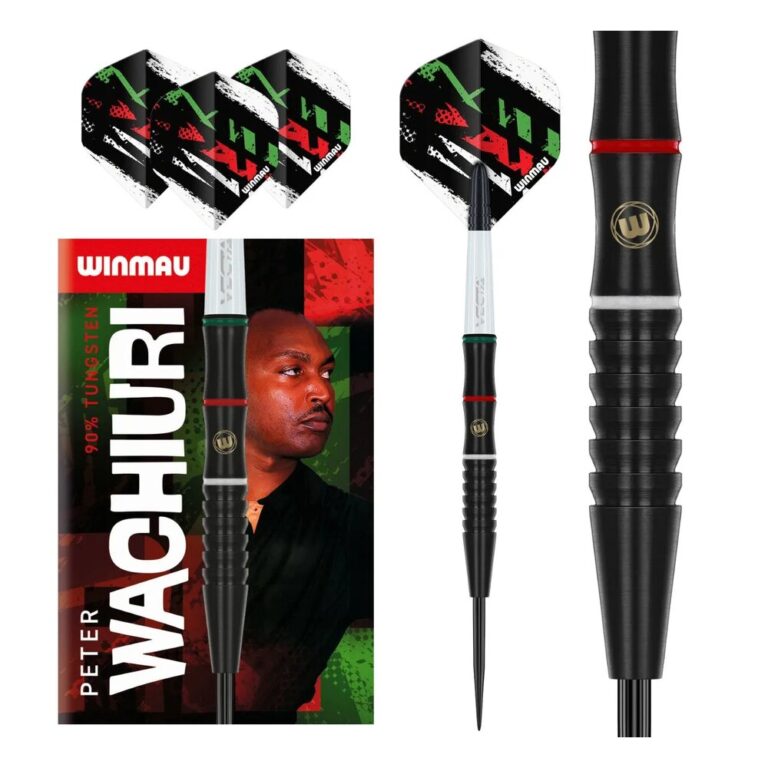
Two real darts. One head-to-head. Pick your winner.
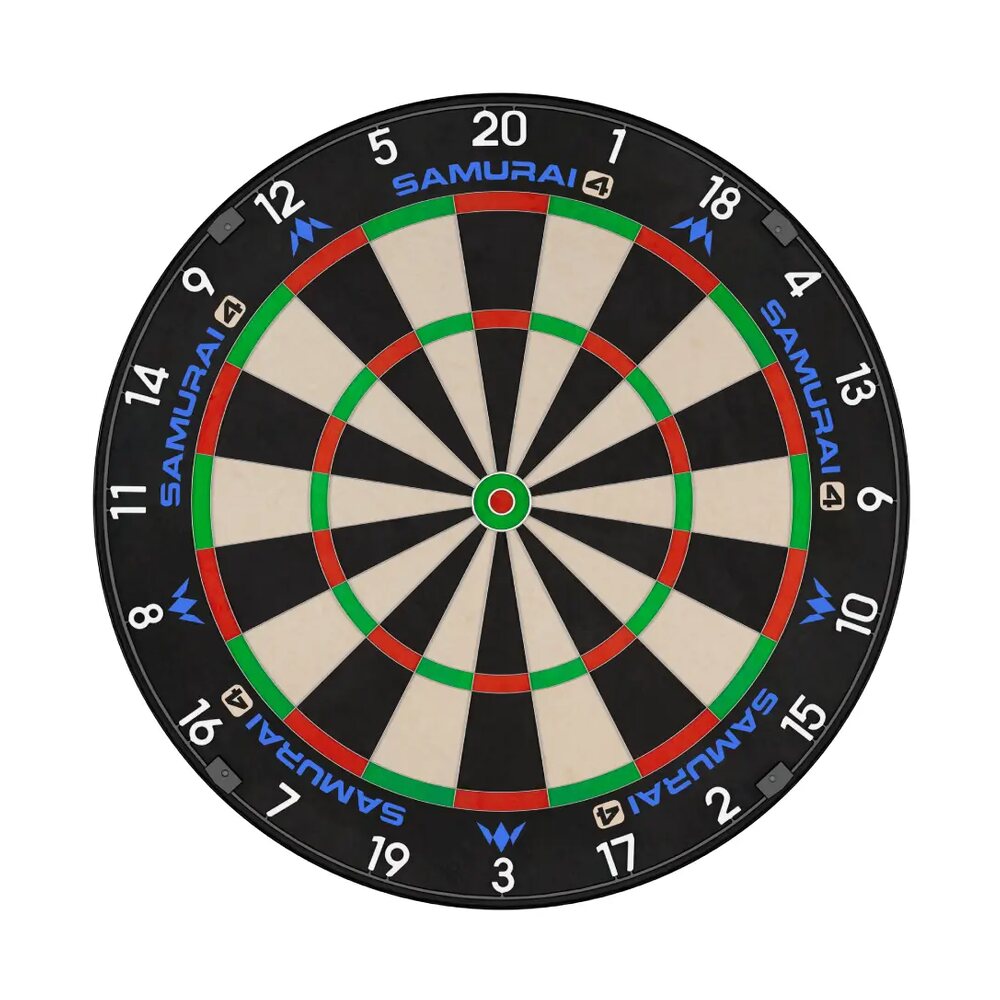
PICK YOUR WINNER MARKETPLACEWinmau Blade 360 Triple Core Dartboard – Official PDC Match Quality
A live pick from the DRTV Marketplace, selected by Shop and backed by the DRTV Database.
EXPLORE MARKETPLACE





Join the conversation
Write a comment+